
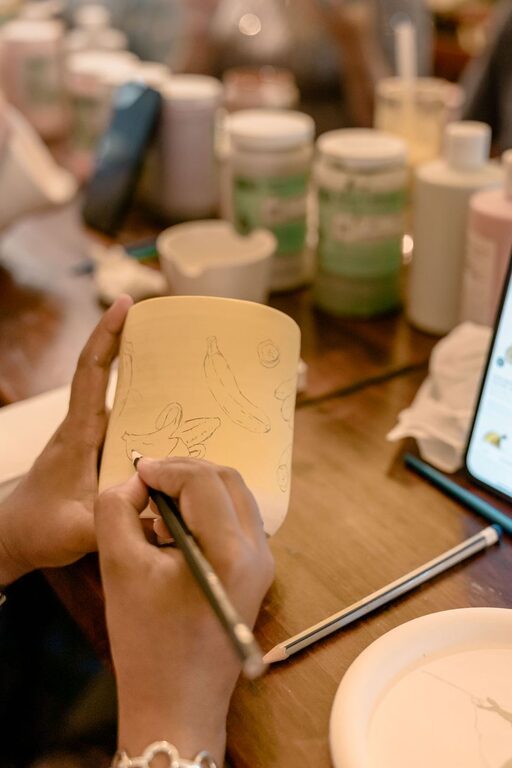
Creative hobbies offer a refreshing way to spend free time while keeping both your mind and hands active. Whether you enjoy working with colors, making useful objects, or learning new techniques, hands-on activities can add variety and purpose to your routine.
The best hobby is one that fits your interests, space, budget, and schedule. You do not need to be an expert or produce perfect results. The process of exploring, practicing, and improving is often the most rewarding part.
Why Choose a Hands-On Creative Hobby?
Many creative activities combine concentration with physical movement. You may need to plan a design, follow a pattern, solve a problem, or make small adjustments as you work. At the same time, your hands are busy cutting, shaping, drawing, stitching, building, or arranging materials.
Creative hobbies can help you:
– Practice patience and attention to detail
– Learn practical and artistic skills
– Take a break from screens and routine tasks
– Create useful, decorative, or personal items
– Explore new interests at your own pace
– Enjoy a satisfying sense of progress
Some hobbies are quiet and reflective, while others are energetic and experimental. With so many options available, it is easy to find an activity that matches your personality.
Drawing and Sketching
Drawing is one of the simplest creative hobbies to begin. A pencil and a notebook are enough to get started, although you can later explore colored pencils, charcoal, markers, or ink.
You might sketch household objects, plants, buildings, pets, or people. Some people enjoy drawing from observation, while others prefer doodling, abstract shapes, or imaginative scenes.
Simple Ways to Practice
– Draw one object from several different angles
– Keep a small sketchbook for daily ideas
– Practice lines, circles, shading, and textures
– Copy simple patterns to understand shapes
– Try a short online lesson for a new technique
The goal is not to create a perfect picture. Regular practice helps you notice details and become more comfortable expressing ideas on paper.
Painting and Color Exploration
Painting offers a chance to experiment with color, texture, and composition. Watercolor is portable and requires limited equipment, while acrylic paint works well for paper, canvas, wood, and other surfaces.
Beginners can start with simple exercises, such as painting color gradients, leaves, skies, or geometric patterns. You can also create abstract pieces by combining colors and brushstrokes without trying to represent a specific object.
Painting encourages curiosity. You can test what happens when colors are mixed, layers are added, or different brushes are used. A small collection of basic supplies is enough to begin exploring.
Knitting, Crochet, and Fiber Arts
Knitting and crochet turn yarn into clothing, accessories, home decorations, and gifts. These hobbies involve repeating movements, following patterns, and gradually building a finished piece.
Beginners often start with a scarf, coaster, dishcloth, or simple square. Once you learn a few basic stitches, you can experiment with hats, bags, blankets, and decorative designs.
Fiber arts also include:
– Embroidery
– Cross-stitch
– Sewing
– Quilting
– Weaving
– Macramé
Each activity offers a different combination of planning and handwork. You can choose projects that are practical, decorative, or simply enjoyable to make.
Paper Crafts and Bookmaking
Paper crafts are affordable, flexible, and suitable for many skill levels. With paper, scissors, glue, and a few basic tools, you can create cards, bookmarks, paper flowers, gift boxes, and decorations.
Bookmaking is another engaging option. You can fold and bind paper to create journals, sketchbooks, recipe books, or small notebooks. Choosing the paper, cover, thread, and layout gives each project a personal touch.
Project Ideas
– Make handmade greeting cards
– Create a collage from old magazines
– Design a themed scrapbook page
– Fold origami animals or decorations
– Bind a small notebook
– Build paper models from templates
Paper projects are also easy to store and complete in short sessions, making them useful for busy schedules.
Clay Modeling and Pottery
Working with clay gives your hands a direct way to shape an idea into a physical object. Air-dry clay is a convenient starting material because it does not require a kiln. You can make small bowls, plant markers, ornaments, figures, or textured decorations.
Pottery classes offer access to a wheel, kiln, and guidance from an instructor. They can be a good choice if you want a more structured learning experience.
Clay work rewards experimentation. You can press patterns into the surface, combine shapes, smooth edges, or leave natural textures visible. Even small projects can feel satisfying because they become solid objects you can display or use.
Woodworking and Simple Building Projects
Woodworking combines creative design with practical problem-solving. Beginners can start with small projects that use basic tools, such as a picture frame, birdhouse, shelf, planter box, or desk organizer.
Before beginning, learn how to use tools safely and choose projects that match your experience. Read instructions carefully, measure twice, and work in a well-ventilated, organized space.
If traditional woodworking feels too ambitious, try beginner-friendly building kits or small repairs. The process of planning, measuring, assembling, and finishing can help you develop useful skills while creating something lasting.
Gardening and Plant Arranging
Gardening is a creative hobby that changes over time. You can grow herbs on a windowsill, design a container garden, arrange indoor plants, or plan a small outdoor space.
Choosing containers, coordinating colors, and arranging plants involves creative decision-making. Caring for plants also encourages regular attention and observation.
For a manageable beginning, select a few plants suited to your available light and space. Keep notes about watering, growth, and seasonal changes. You can also make plant labels, decorate pots, or create a simple propagation station.
Photography and Visual Storytelling
Photography keeps your mind engaged by encouraging you to look closely at familiar surroundings. You can use a smartphone or a dedicated camera to explore light, texture, shape, and composition.
Try giving yourself a theme for each photo walk:
– Interesting doors and windows
– Repeating patterns
– Shadows and reflections
– Local plants and trees
– Favorite colors
– Small details people often overlook
Editing is another creative step. Simple adjustments to brightness, cropping, and color can help you understand how images communicate mood and focus.
Cooking, Baking, and Food Decoration
Cooking is a practical creative hobby that combines planning, timing, texture, and presentation. You can try a new recipe, make homemade pasta, decorate cookies, or create a colorful salad.
Baking offers opportunities to measure carefully and understand how ingredients work together. Food decoration adds another visual element, from arranging fruit to piping simple designs.
Keep a record of recipes you enjoy and note what you changed. Over time, you can build confidence and develop your own variations.
How to Choose the Right Hobby
Start by considering what you want from the activity. Do you want to make useful objects, learn a technical skill, express yourself visually, or enjoy a relaxing routine?
Ask yourself:
– How much time can I set aside each week?
– Do I have room for supplies or tools?
– Would I rather work alone or join a class?
– Do I prefer structured instructions or open-ended projects?
– What is a comfortable starting budget?
Choose a small first project instead of buying every available supply. A simple beginning makes it easier to discover whether the hobby suits you.
Make Creativity Part of Your Routine
Creative hobbies become more enjoyable when they fit naturally into your life. Set up a small work area, keep frequently used supplies together, and choose projects that can be paused and resumed.
Give yourself permission to make mistakes. A finished project does not need to be perfect to be valuable. Each attempt teaches you something about materials, technique, and personal style.
Whether you choose drawing, gardening, woodworking, sewing, or another hands-on activity, the process can bring fresh energy to ordinary days. Start with curiosity, work at a comfortable pace, and let your skills develop one project at a time.