
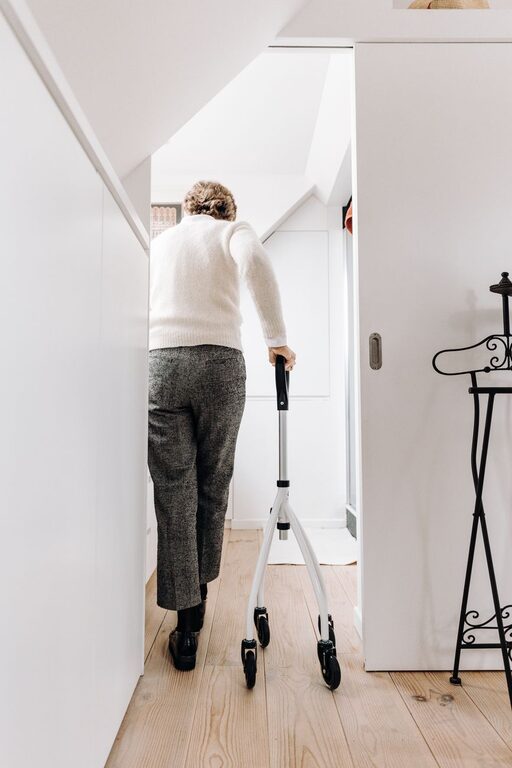
Why Home Safety Matters as You Age
A home that once felt comfortable may become harder to navigate over time. Changes in balance, vision, strength, or flexibility can make everyday tasks more challenging. Even small obstacles, dim lighting, or hard-to-reach storage can increase the risk of slips, trips, and strain.
The good news is that many helpful changes are simple and affordable. You do not need to remodel your entire home at once. Start with the areas you use most, then make improvements based on your daily routines and personal needs.
Begin With a Room-by-Room Safety Check
Walk through your home slowly and look for places where you might trip, lose your balance, or struggle to reach something. It can help to make the inspection at different times of day, since lighting and visibility may change.
Pay attention to:
- Loose rugs, curled carpet edges, and uneven flooring
- Clutter in hallways, stairways, and doorways
- Dim switches, burned-out bulbs, or dark corners
- Furniture that blocks walking paths
- Frequently used items stored too high or too low
- Slippery surfaces in bathrooms, kitchens, and entryways
- Doors, drawers, or windows that are difficult to open
Ask a trusted friend or family member to walk through the home with you. A second person may notice hazards that are easy to overlook.
Improve Lighting Throughout the Home
Good lighting makes it easier to see steps, floor changes, furniture, and other obstacles. Use even, comfortable lighting instead of relying on a single ceiling fixture.
Consider these improvements:
- Add brighter bulbs where appropriate, while avoiding glare.
- Place lamps near reading chairs, beds, and frequently used work areas.
- Use nightlights in bedrooms, bathrooms, hallways, and stair areas.
- Install light switches at both the top and bottom of staircases.
- Choose switches that are easy to see and operate.
- Keep a flashlight in an easy-to-reach location for power outages.
Motion-activated lights can be especially useful in hallways, closets, garages, and outdoor walkways. If you add new fixtures or wiring, use a qualified professional when needed.
Clear and Simplify Walking Paths
A clear path makes it easier to move from room to room safely. Arrange furniture so there is enough space to walk without turning sideways or stepping around obstacles.
Remove or secure:
- Small tables that narrow a hallway
- Electrical cords crossing walkways
- Decorative items placed on the floor
- Low stools or footrests that are easy to miss
- Loose rugs without nonslip backing
If you use rugs, choose low-pile styles with secure edges and nonslip backing. Avoid placing rugs at the top or bottom of stairs. Keep floors dry and clean, especially near entryways and kitchen sinks.
Make Stairs Easier to Use
Stairs can be difficult to navigate when they are narrow, poorly lit, or missing sturdy support. Check that every step is clearly visible and free of clutter.
Helpful updates include:
- Install a secure handrail that runs the full length of the staircase.
- Use high-contrast edge markings if the steps blend together.
- Add lighting at the top and bottom of the stairs.
- Repair loose boards, worn carpeting, or uneven surfaces.
- Keep packages, shoes, and other items off the steps.
Use the handrail every time, even when carrying only a small item. If the stairs remain difficult to manage, consider whether important daily activities can be moved to one level of the home.
Make the Bathroom Safer
Bathrooms often combine water, hard surfaces, and tight spaces. Small changes can improve both safety and comfort.
Consider adding:
- Nonslip mats inside and outside the shower or tub
- Grab bars installed securely near the toilet and bathing area
- A handheld showerhead for easier bathing
- A shower seat or built-in seat, if appropriate for your space
- A raised toilet seat or a higher toilet for easier sitting and standing
- Bright, glare-reducing lighting
Do not rely on towel bars, shower doors, or sink fixtures for support. They may not be designed to hold body weight. Grab bars should be attached properly to provide reliable support. A qualified installer can help determine the best locations and mounting methods.
Reorganize the Kitchen for Easier Reach
The kitchen is easier to use when frequently needed items are stored within a comfortable reach. Avoid placing heavy cookware, dishes, or appliances on high shelves or low cabinets.
Try these adjustments:
- Move everyday dishes and food to waist-to-shoulder height.
- Use pullout shelves or drawers to reduce bending and reaching.
- Choose lightweight cookware with comfortable handles.
- Keep counter space clear for food preparation.
- Use nonslip mats in areas where water or spills are common.
- Store heavier items where they can be lifted without stretching.
A stable step stool with a wide base and a support handle may be useful for occasional reaching. However, avoid climbing on chairs or other unstable furniture.
Improve Entryways and Outdoor Areas
The entrance to your home should be easy to find and use in all weather and lighting conditions. Remove leaves, snow, mud, and other materials that can make surfaces slippery.
Look for these features:
- A level, well-lit path from the driveway or sidewalk to the door
- A sturdy handrail near steps
- A nonslip surface underfoot
- A bench or chair where you can sit while removing shoes
- Door locks and handles that are easy to operate
- A clearly visible house number for visitors and emergency responders
A lever-style door handle may be easier to use than a round knob. Keep keys, packages, and shoes organized so they do not create obstacles near the entrance.
Choose Furniture for Support and Comfort
Furniture should be stable, easy to sit in, and easy to rise from. Very low, soft chairs can be difficult to use, while chairs with firm cushions and armrests may offer better support.
Check that:
- Chairs do not slide easily on the floor.
- Beds are a comfortable height for getting in and out.
- Tables have stable bases and do not block walking paths.
- Frequently used seating is near good lighting.
Avoid using rolling furniture for support unless it is designed for that purpose. Keep pathways around beds and chairs clear, especially at night.
Use Simple Organization and Technology
A well-organized home reduces unnecessary reaching, searching, and carrying. Keep everyday items in consistent locations and label drawers or containers when helpful.
Technology can also support easier navigation. Depending on your preferences, you might use:
- Motion sensors for lights
- Voice controls for selected lamps or devices
- Video doorbells or door viewers
- Timers for lights and household appliances
- Large-print labels and high-contrast signs
Choose tools that are simple to operate and maintain. Test new devices regularly so you know how they work when needed.
Make Changes Gradually
Home safety improvements work best when they match your routines and comfort. Start with the areas that cause the most difficulty, such as the bathroom, stairs, bedroom, or entrance. Then make one or two changes at a time.
If you are unsure about a structural update, ask a qualified home modification professional, contractor, or occupational specialist for guidance. A trusted person can also help review your home and identify practical improvements.
A safer home does not have to look institutional or feel restrictive. With better lighting, clearer paths, supportive features, and thoughtful organization, your home can remain comfortable, welcoming, and easier to navigate for years to come.