
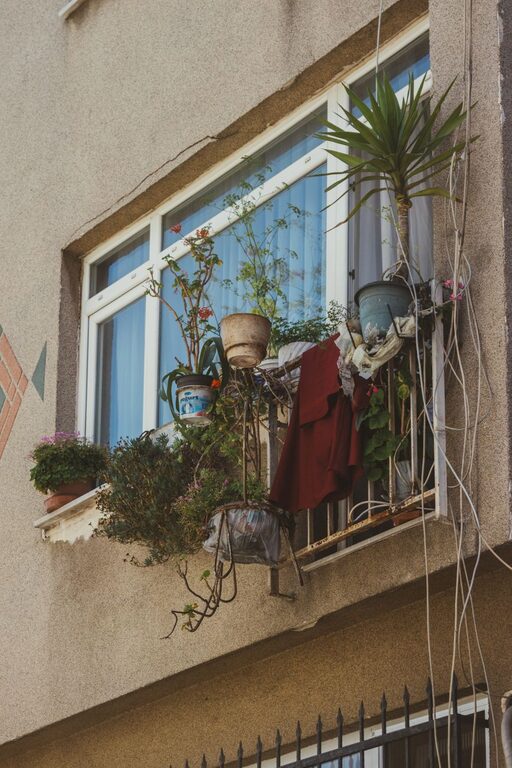
Small outdoor spaces can make wonderful gardens with the right approach. A patio, balcony, or windowsill may not offer much room, but it can still hold flowers, herbs, vegetables, and greenery. The key is to choose plants that match your available light and use every inch thoughtfully.
Start With Light and Space
Before buying plants or containers, observe your space throughout the day. Note how much direct sunlight it receives and whether the light changes with the seasons.
Most plants fit into one of three light categories:
– Full sun: Six or more hours of direct sunlight
– Partial sun: About three to six hours of sunlight
– Shade: Less than three hours of direct sunlight or bright indirect light
A sunny balcony may be ideal for tomatoes, peppers, basil, lavender, and many flowering plants. A shaded windowsill may work better for mint, parsley, leafy greens, ferns, or pothos.
Also consider the height, width, and weight of your garden. A narrow balcony may need slim planters, while a wide windowsill can support several small pots. If you are gardening on an elevated balcony, select lightweight containers and follow any building rules about planters and hanging items.
Choose Containers That Work Hard
Containers are the foundation of a small-space garden. Look for designs that provide good drainage without taking up too much room.
Useful options include:
– Window boxes for herbs, flowers, and shallow-rooted greens
– Hanging baskets for trailing plants
– Stackable planters for compact vertical growing
– Rail planters designed to fit securely over balcony railings
– Fabric grow bags for lightweight vegetable gardening
– Small pots grouped together on a tray
Make sure every container has drainage holes. Place a saucer under indoor pots to protect windowsills and furniture, but empty extra water after watering so roots do not remain soggy.
You can also use a matching collection of pots to create a neat, unified look. Alternatively, combine different shapes and colors for a more relaxed garden style.
Build a Vertical Garden
When floor space is limited, grow upward. Vertical gardening helps you display more plants without crowding the ground.
A simple ladder shelf can hold several small pots while adding height and structure. Wall-mounted planters, pocket planters, and narrow shelving units are also useful for patios and balconies. Use a sturdy support for climbing plants such as peas, beans, jasmine, or small flowering vines.
For a simple vertical arrangement, place:
– Tall plants at the back or on the lowest level
– Medium-sized plants in the middle
– Trailing plants near the top or edges
– Frequently used herbs at a comfortable picking height
Keep enough space between plants for air movement and easy watering. Overcrowded containers can become difficult to maintain and may encourage pests or plant problems.
Grow an Edible Windowsill Garden
A sunny windowsill can provide fresh herbs for everyday cooking. Choose small pots with drainage holes and use a quality indoor potting mix.
Good windowsill herbs include:
– Basil
– Chives
– Parsley
– Thyme
– Oregano
– Cilantro
– Mint
Mint grows quickly and can spread, so keep it in its own container. Trim herbs regularly to encourage fuller growth, but avoid removing more than one-third of the plant at a time.
You can also grow small crops such as microgreens, baby lettuce, radishes, and green onions. Microgreens are especially suitable for windowsills because they grow quickly in shallow trays. Sow small amounts every week or two for a steady supply.
Add Color With Compact Flowers
Flowers bring color and seasonal interest to small spaces. Choose varieties that stay compact or spread neatly over the edge of a container.
Consider:
– Marigolds for sunny spots
– Petunias for baskets and window boxes
– Pansies for cool-season color
– Geraniums for bright balconies
– Sweet alyssum for a light fragrance
– Begonias for shaded areas
– Dwarf zinnias for cheerful summer blooms
Combine plants with similar sunlight and watering needs in the same container. A classic arrangement includes one upright plant, one rounded filler, and one trailing plant. For example, a compact flower can provide height, while smaller blooms fill the center and a trailing plant softens the edges.
Remove faded flowers when needed. This simple task can help many flowering plants produce more blooms.
Create a Mini Vegetable Garden
You do not need a large yard to grow vegetables. Many crops grow well in containers when given enough sunlight, water, and room for their roots.
Good choices for patios and balconies include:
– Cherry tomatoes
– Compact peppers
– Bush beans
– Salad greens
– Radishes
– Carrots in deep containers
– Strawberries
– Dwarf peas
Select compact or container-friendly varieties when possible. A tomato plant may need a stake or cage for support, while peas and beans benefit from a small trellis.
Use a container large enough for the mature plant. Small pots dry out quickly and may limit growth. Check the soil regularly, especially during warm or windy weather.
Make the Most of Small Patios
A small patio can serve as both a garden and a comfortable living area. Use movable planters so you can rearrange the space or make room for guests.
A few practical ideas include:
– Place tall planters in corners to frame the space
– Use a narrow plant stand beside a door or wall
– Grow herbs near an outdoor cooking area
– Add a trellis to create a green backdrop
– Use a rolling cart for plants that need changing light
– Keep a small watering can nearby for convenience
Choose furniture with a slim profile and leave clear paths for walking. A small garden looks more inviting when plants are grouped rather than scattered randomly.
Care for Plants Efficiently
Small gardens are easier to maintain when care is simple and consistent. Check plants every few days for dry soil, faded leaves, or signs of pests.
Water slowly until excess moisture drains from the container. The correct schedule depends on the plant, container, weather, and light. Avoid watering automatically every day; instead, check the top inch of soil with your finger.
Other helpful habits include:
– Rotate indoor pots so plants grow evenly
– Trim overcrowded growth
– Remove dead leaves
– Feed plants according to the label instructions
– Clean dusty leaves with a soft, damp cloth
– Move delicate plants away from harsh weather
Grouping plants with similar needs makes care easier. For example, place sun-loving herbs together and keep shade-tolerant plants in a separate area.
Keep the Design Simple
A small garden does not need dozens of plants to feel full and attractive. Start with a few dependable varieties and build gradually. Repeating the same container color or plant type can create a polished appearance.
You can also add interest through texture. Combine smooth-leaved herbs with soft grasses, trailing flowers, or plants with broad leaves. A small decorative stone, trellis, or plant label can provide extra character without taking up much space.
With thoughtful container choices, vertical displays, and plants suited to your light conditions, even the smallest patio, balcony, or windowsill can become a productive and welcoming garden.