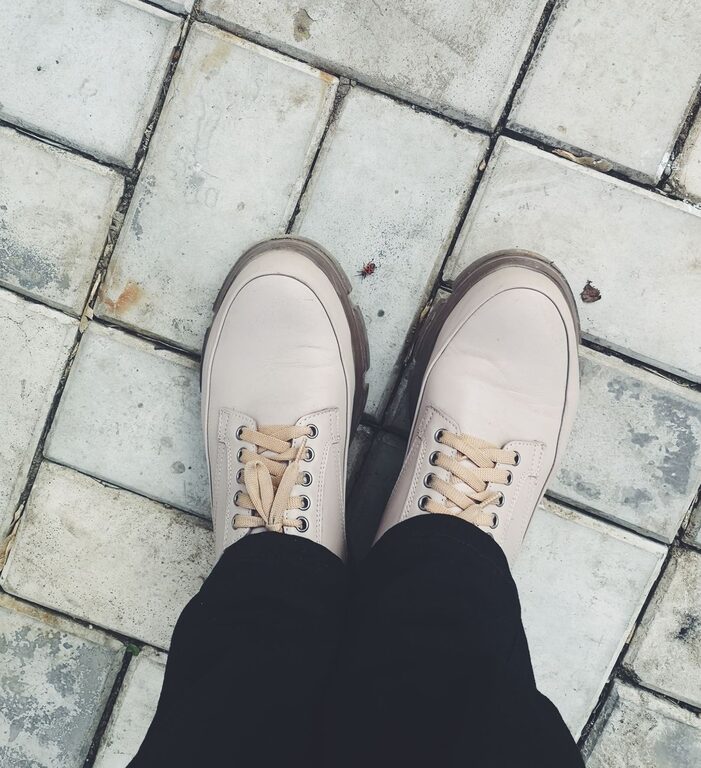

Walking is one of the simplest ways to add more movement to your day. It requires little equipment, can fit into many schedules, and works well for people with different experience levels. However, starting a routine is often easier than maintaining one.
The key is to create a plan that feels realistic and enjoyable. Instead of treating walking as another task to complete, build a routine around your preferences, daily schedule, and personal goals.
Start With a Routine You Can Manage
A common mistake is beginning with a plan that is too ambitious. If you rarely walk for exercise, committing to long daily walks may feel exciting at first but difficult to maintain.
Start with an amount that feels manageable. This might be:
– A 10-minute walk after lunch
– A 15-minute walk around your neighborhood
– Two short walks during the workday
– A weekend walk at a nearby park
– A few extra laps around a store or building
The purpose of starting small is to make walking feel easy to repeat. Once the routine becomes familiar, you can gradually add time, distance, or frequency.
Choose a Simple Starting Goal
Your first goal should be specific and practical. For example, “I will walk for 15 minutes after dinner on Monday, Wednesday, and Friday” is easier to follow than “I will walk more often.”
A clear starting goal answers three questions:
- When will you walk?
- Where will you walk?
- How long will you walk?
You can adjust the details later. For now, focus on creating a repeatable pattern.
Connect Walking to an Existing Habit
One of the easiest ways to remember a new activity is to connect it to something you already do. This approach reduces the need to make a separate decision each day.
Try pairing your walk with a regular part of your schedule:
– Walk after your morning coffee
– Take a short walk after lunch
– Walk while listening to a favorite podcast
– Walk home from a nearby stop
– Take a short evening walk before getting ready for bed
The existing habit acts as a reminder. Over time, the two activities may begin to feel naturally connected.
Make Your Walks More Enjoyable
Enjoyment is an important part of consistency. If every walk feels boring or uncomfortable, it may be difficult to keep going. Look for small ways to make the experience more appealing.
You could:
– Explore a different route each week
– Walk with a friend, family member, or neighbor
– Listen to music, an audiobook, or a podcast
– Visit a park, trail, or shopping area
– Take photos of interesting buildings, plants, or views
– Use your walk as quiet time away from screens
– Plan a pleasant stop, such as a coffee shop or library
You do not need to make every walk entertaining. Some days may be best for conversation, while others may be better for quiet time. Variety can help prevent the routine from becoming repetitive.
Create a Walking Playlist
A playlist can give your walk a familiar rhythm and make it easier to get started. Choose music that matches the kind of walk you want. Calm songs may suit a relaxed stroll, while lively music can make a brisk walk feel more engaging.
Podcasts and audiobooks are another option. Consider saving certain shows or chapters specifically for walking. When you look forward to hearing the next episode, walking may become part of that enjoyable experience.
Plan Around Your Real Schedule
A routine works best when it fits your life as it is, not as you wish it were. Look at your typical week and identify time slots that are genuinely available.
Consider:
– Your work or school schedule
– Family responsibilities
– Weather and daylight
– Travel time
– Your energy levels throughout the day
– Locations where you can walk safely and comfortably
Some people prefer walking early in the morning, while others find it easier after work or dinner. There is no universally best time. Choose the period when you are most likely to follow through.
If your schedule changes often, create a few flexible options. For example, you might plan a longer walk on open days and keep a shorter backup walk for busier days.
Prepare the Night Before
Small preparation steps can remove common obstacles. Set out comfortable clothes and shoes, place headphones near the door, or keep a water bottle ready if you prefer one during longer walks.
You can also decide your route in advance. Having a simple plan means you will spend less time wondering what to do when it is time to leave.
A short checklist may help:
– Comfortable clothing
– Suitable footwear
– Weather-appropriate layers
– A planned route
– Optional music or audio
– Keys and other essentials
Keep the process easy. The goal is to make starting as simple as possible.
Build Up Gradually
Once you can follow your routine comfortably, increase it slowly. You might add five minutes to a walk, include another walking day, or choose a route with more variety.
Avoid changing everything at once. A gradual approach makes it easier to notice what works and what feels difficult.
You can track progress using simple measures such as:
– Number of walking days each week
– Minutes spent walking
– Routes completed
– How enjoyable the walk felt
– How consistently you followed your plan
Tracking is optional, but it can help you see patterns. You may discover that certain times, routes, or companions make walking easier to maintain.
Use a Flexible Plan
Missing a walk does not mean your routine has failed. Busy days, bad weather, travel, and unexpected responsibilities are normal parts of life.
Instead of trying to make up for a missed walk with an unusually long session, simply return to your regular plan. A flexible routine might include several alternatives:
– A full outdoor walk
– A shorter neighborhood walk
– Indoor walking at a mall or large building
– Walking during errands
– Several brief movement breaks
The goal is not perfect consistency. It is creating a routine that can continue through ordinary disruptions.
Have a Bad-Weather Option
Weather can easily interrupt an outdoor walking plan. Prepare a backup option before you need it. Depending on your surroundings, you might walk indoors, use a treadmill, visit a shopping center, or take several short trips around your home or workplace.
If conditions are uncomfortable or unsafe, it is reasonable to change your plan. Flexibility protects your routine from depending on one specific route or type of day.
Walk With Other People
Walking with someone else can add structure and companionship. A regular walking partner may also make it easier to show up, especially on days when motivation is low.
You can invite:
– A friend
– A family member
– A neighbor
– A coworker
– A local walking group
Set expectations that work for everyone. You do not need to walk at the same pace every time, and a short conversation walk can be just as valuable as a longer outing.
Focus on the Experience
It is easy to become focused only on distance, time, or step counts. While these measures can be useful, they are not the only signs of progress.
Pay attention to how the routine fits into your day. Do you enjoy the route? Does walking give you a change of scenery? Do you look forward to the time outdoors or the chance to listen to something interesting?
A routine that feels rewarding is more likely to last than one based only on numbers.
Make Walking a Regular Part of Your Life
A lasting walking routine does not need to be complicated. Start with a realistic goal, connect walking to an existing habit, and choose routes or activities you genuinely enjoy. Prepare for busy days and changing weather, then adjust your plan as your schedule evolves.
The best routine is one you can repeat without making it the center of your life. By keeping the first steps simple and allowing room for flexibility, you can turn walking into a comfortable habit that continues week after week.